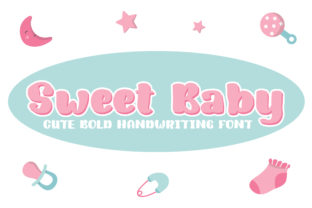
Sweet Baby Font: A Chubby, Handwritten Typeface That Brings Joy to Design
Imagine opening a birthday card and instantly smiling—not just because of the message, but because the words themselves feel warm, friendly, and full of personality. That’s the magic of Sweet Baby: a chubby, handwritten font with a bold, authentic twist designed to inject sincerity, playfulness, and human charm into digital and print projects alike.
What Is Sweet Baby—And Why Does It Stand Out?
Sweet Baby is a modern display typeface that belongs to the handwritten font family—but it’s far from generic. Unlike many script fonts that lean overly delicate or overly ornate, Sweet Baby balances softness and strength. Its letters are generously rounded, with generous spacing and slightly uneven baselines that mimic natural handwriting. Yet its thick strokes, confident curves, and intentional weight give it presence—making it both approachable and impactful.
This “chubby” quality isn’t about cuteness alone—it’s about legibility at scale, emotional resonance, and design versatility. While many handwritten fonts fade into the background or feel too casual for professional use, Sweet Baby holds its own in headlines, logos, packaging, social media graphics, and even short-form web copy.
The Anatomy of Its Authenticity
Several thoughtful design choices make Sweet Baby feel genuinely hand-drawn:
- Varied stroke contrast: Not rigidly uniform—some lines swell, others taper—just like ink pressed by a real pen.
- Gentle irregularities: Slight wobbles in curves and subtle shifts in letter height create organic rhythm, avoiding robotic perfection.
- Bold baseline emphasis: Letters sit confidently on the line without floating or drifting, reinforcing stability and friendliness.
- Open counters and generous x-height: Improves readability—even at smaller sizes—without sacrificing character.
These aren’t accidental quirks. They’re deliberate decisions rooted in typography best practices and human perception research. Our brains recognize authenticity through asymmetry and variation—and Sweet Baby delivers that intuitively.
Where Sweet Baby Fits in Modern Design & Communication
In today’s fast-scrolling, algorithm-driven digital landscape, authenticity is a rare currency. Brands, educators, creators, and small business owners increasingly seek ways to stand out—not with louder visuals, but with warmer ones. Sweet Baby answers that need.
For Small Businesses & Entrepreneurs
A local bakery launching Instagram stories? A handmade soap brand designing product labels? A freelance illustrator branding their portfolio site? Sweet Baby adds instant warmth and memorability. Its joyful tone helps humanize brands without sounding childish—especially when paired with clean sans-serif body text for balance.
Example: A café named “Honeycomb Roast” uses Sweet Baby for its logo and chalkboard-style menu headers. The font evokes homemade cookies, handwritten notes, and community vibes—reinforcing values before a single word is read.
In Education & Learning Materials
Educators know that engagement starts with visual appeal. For early literacy worksheets, classroom posters, or digital learning modules aimed at young learners (or neurodiverse students), Sweet Baby offers clarity *and* comfort. Its rounded shapes reduce visual stress, while its friendly demeanor encourages interaction—unlike sharp, angular fonts that can feel intimidating or clinical.
Tip: Pair Sweet Baby with a highly legible, dyslexia-friendly sans-serif (like Open Dyslexic or Nunito) for body text—creating a harmonious, inclusive reading experience.
For Creative Professionals & DIY Designers
You don’t need a design degree to use Sweet Baby effectively. Thanks to its intuitive rhythm and strong visual identity, it works beautifully in Canva, Adobe Express, Figma, and even PowerPoint. Whether you’re designing a wedding invitation, a podcast cover, or a printable planner, Sweet Baby serves as both a focal point and an emotional anchor.
Common misconception: “Handwritten fonts only work for kids’ stuff.” Not true. When used intentionally—with smart hierarchy, ample whitespace, and thoughtful color palettes—Sweet Baby conveys sophistication, empathy, and confidence. Think greeting cards for milestone anniversaries, boutique skincare packaging, or nonprofit campaign banners advocating for mental wellness.
How Sweet Baby Supports Broader Design Principles
Good typography doesn’t just look nice—it supports function, emotion, and accessibility. Sweet Baby contributes meaningfully to several key areas:
- Emotional Design: Fonts carry mood. Sweet Baby signals joy, care, and approachability—ideal for wellness, education, food, lifestyle, and community-focused initiatives.
- Brand Differentiation: In saturated markets (e.g., subscription boxes or online courses), distinctive yet readable typography helps brands carve memorable space in crowded feeds.
- Visual Hierarchy: Its bold nature makes it perfect for headlines and callouts—drawing attention without shouting. Use size, color, or placement to guide the eye naturally.
- Inclusive Aesthetics: Rounded forms are often perceived as safer and more welcoming—particularly important in public-facing materials, healthcare communications, and youth-oriented platforms.
Practical Tips for Using Sweet Baby Well
Like any powerful tool, Sweet Baby shines brightest when used with intention. Here’s how to get the most from it:
- Reserve it for impact: Use it for headlines, logos, quotes, buttons, or short phrases—not long paragraphs. Let it breathe.
- Pair wisely: Contrast is key. Combine with neutral, geometric, or humanist sans-serifs (e.g., Inter, Lato, Montserrat) to ground its energy.
- Watch color contrast: Ensure sufficient contrast against backgrounds—especially for accessibility compliance (WCAG AA/AAA). Dark charcoal on cream or deep teal on off-white works beautifully.
- Test across devices: Preview how it renders on mobile screens. Its chunky forms scale well, but always verify spacing and kerning in context.
- License responsibly: Sweet Baby is a commercial font—check licensing terms if using for client work, merchandise, or apps. Many foundries offer desktop, web, and app licenses separately.
Why Typography Matters More Than Ever
We often overlook how deeply fonts shape our experience of information. A study published in the Journal of Consumer Research found that people judge credibility, trustworthiness, and even taste based partly on typeface choice—even before absorbing content. In other words, choosing Sweet Baby isn’t just about aesthetics; it’s about aligning your visual voice with your values.
Whether you're launching a side hustle, teaching third graders, building a personal blog, or crafting a heartfelt e-card, typography is part of your nonverbal communication. Sweet Baby invites connection. It says, “I made this with care,” “This matters,” and “You’re welcome here.”
Final Thought: Joy Is a Design Choice
Design isn’t just about solving problems—it’s about shaping feeling. Sweet Baby reminds us that joy, warmth, and humanity belong in every layer of visual communication. It doesn’t ask you to be perfect. It asks you to be present, personal, and kind—to your audience, your message, and yourself.
So next time you reach for a font, ask: Does it reflect who you are—and who you want to welcome? If the answer leans toward cheerful, grounded, and unmistakably human, Sweet Baby might just be your new favorite creative companion.