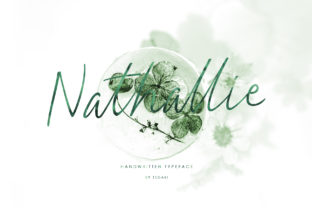
Nathallie: A Light Handwritten Font with Bold Charm
If you've ever wanted handwriting that feels personal and relaxed—but still commands attention—Nathallie is worth your time. It’s not just another script font. Nathallie balances soft, natural strokes with confident weight and subtle contrast, giving it presence without stiffness. Think of it as the friendly neighbor who also gives great advice: approachable, sincere, and quietly memorable.
What Makes Nathallie Different from Other Handwritten Fonts?
Many handwritten fonts lean too far in one direction—either overly delicate (hard to read at smaller sizes) or aggressively bold (losing warmth and flow). Nathallie sits comfortably in the middle. Its letters have gentle curves, slightly irregular spacing, and a light baseline rhythm—like real pen-on-paper writing. Yet its thicker downstrokes and intentional letterforms add clarity and visual impact.
This balance makes Nathallie especially useful when you need personality *and* professionalism. A café menu, wedding invitation, blog header, or social media graphic all benefit from that rare combination: human warmth with clean legibility.
Where You’ll Love Using Nathallie
Nathallie shines where authenticity matters—and where design shouldn’t get in the way of connection. Here are everyday places it fits naturally:
- Small business branding: A local bakery might use Nathallie for its logo or packaging labels—it conveys care and craft without looking corporate or generic.
- Digital content: Bloggers and educators often choose Nathallie for quote graphics or course module headers. It adds visual breathing room while keeping tone inviting.
- Printed materials: Wedding stationery, handmade product tags, or classroom posters gain quiet elegance with Nathallie—no extra styling needed.
- Social media visuals: Instagram story text overlays or Pinterest pins feel more personal with Nathallie’s organic flow, helping your message stand out in fast-scrolling feeds.
You don’t need design experience to use it well. Even beginners find success pairing Nathallie with simple sans-serif fonts like Inter or Open Sans for body text—creating contrast that guides the eye without competing.
Realistic Use Cases You Can Try Today
Try these low-pressure ideas to see how Nathallie works in practice:
- Redesign your email signature. Swap your default font for Nathallie on your name only. It adds polish and individuality—without changing anything else.
- Create a printable habit tracker. Use Nathallie for section headers (“Morning Routine”, “Weekly Wins”) and keep checkboxes clean and minimal. The contrast feels intentional, not cluttered.
- Design a workshop flyer. Headline in Nathallie, details in a neutral typeface. Instant warmth—and people remember how it made them feel, not just what it said.
These aren’t just “design tricks.” They reflect how Nathallie supports real goals: building trust, encouraging engagement, and expressing identity—whether you're launching a side hustle or sharing ideas with students.
Things to Keep in Mind Before You Use Nathallie
Like any thoughtful tool, Nathallie works best when matched to the right context. Here’s what helps it land well:
- Size matters. At very small sizes (under 14px), some fine details may blur—so reserve it for headings, quotes, logos, or display text. For paragraphs, pair it with something highly legible.
- Color contrast counts. Nathallie looks lovely in deep navy, charcoal, or forest green on light backgrounds—but avoid pale yellow or light gray text. Its lightness needs support to stay readable.
- Less is often more. Because it carries so much character, using Nathallie across multiple lines of body copy can fatigue the eye. Let it highlight—not narrate.
- Check language support. Most versions include standard Latin characters and common punctuation, but if your project uses accented characters (like café or naïve), verify coverage before finalizing layouts.
Why Designers and Non-Designers Both Reach for Nathallie
Professionals appreciate its versatility and typographic integrity. Beginners love how little adjustment it needs—it “just works” with intuitive spacing and natural flow. Educators use it to soften formal materials. Marketers rely on it to humanize brand voice. Freelancers choose it when clients ask for “something warm but not childish.”
That wide appeal comes from intention—not trend-chasing. Nathallie wasn’t designed to mimic calligraphy tools or follow current aesthetics. It was built to serve communication first: clear, kind, and quietly confident.
A Friendly Note on Licensing and Use
Nathallie is typically offered under straightforward licenses—personal use is often free, while commercial projects (like selling products with Nathallie on the label or using it in client work) usually require a one-time license. Always check the source where you download it, and keep your license documentation handy. This isn’t bureaucracy—it’s respect for the designer’s time and craft, and it protects your own work long term.
Using Nathallie thoughtfully means honoring both its aesthetic and its origin. And that alignment—between how something looks and how it’s made—often shows up in the final result: designs that feel honest, considered, and alive.
Final Thought: Start Small, Stay True
You don’t need a full rebrand or a design degree to begin. Pick one place where your current text feels flat or forgettable—a website banner, a printed thank-you card, a slide title—and try Nathallie there. See how it shifts the mood. Notice whether people pause, smile, or comment. That’s the quiet power of a font that doesn’t shout—but still gets heard.
Nathallie won’t fix unclear messaging or poor layout. But when paired with strong ideas and genuine intent, it becomes part of what makes your work feel like *yours*. Not perfect. Not flashy. Just right.